A hair transplant can be a life-changing decision. Many people spend thousands of dollars restoring their hair, but after the procedure, the focus often shifts to products, treatments and styling — while one important factor is overlooked: the water used every day.
Your shower water comes into contact with your hair and scalp every day. Understanding what is in your water can help you make better decisions about your long-term hair care routine.
Chlorine: The Common Water Disinfectant
Chlorine is used around the world to help make water safe by controlling bacteria and microorganisms.
However, chlorine can also have an effect on the way hair feels.
Regular exposure may contribute to:
- Dryness
- A rougher hair texture
- Loss of natural oils
- Increased difficulty managing hair
This can be especially noticeable for people who already have a sensitive scalp or are focused on maintaining the best possible hair condition after a transplant.
Chloramine: The Disinfectant Many People Don’t Know About
Some water supplies use chloramine instead of, or alongside, chlorine.
Chloramine is formed by combining chlorine with ammonia, creating a more stable disinfectant that lasts longer in water networks.
The challenge is that chloramine behaves differently from chlorine and requires specialised filtration methods for reduction.
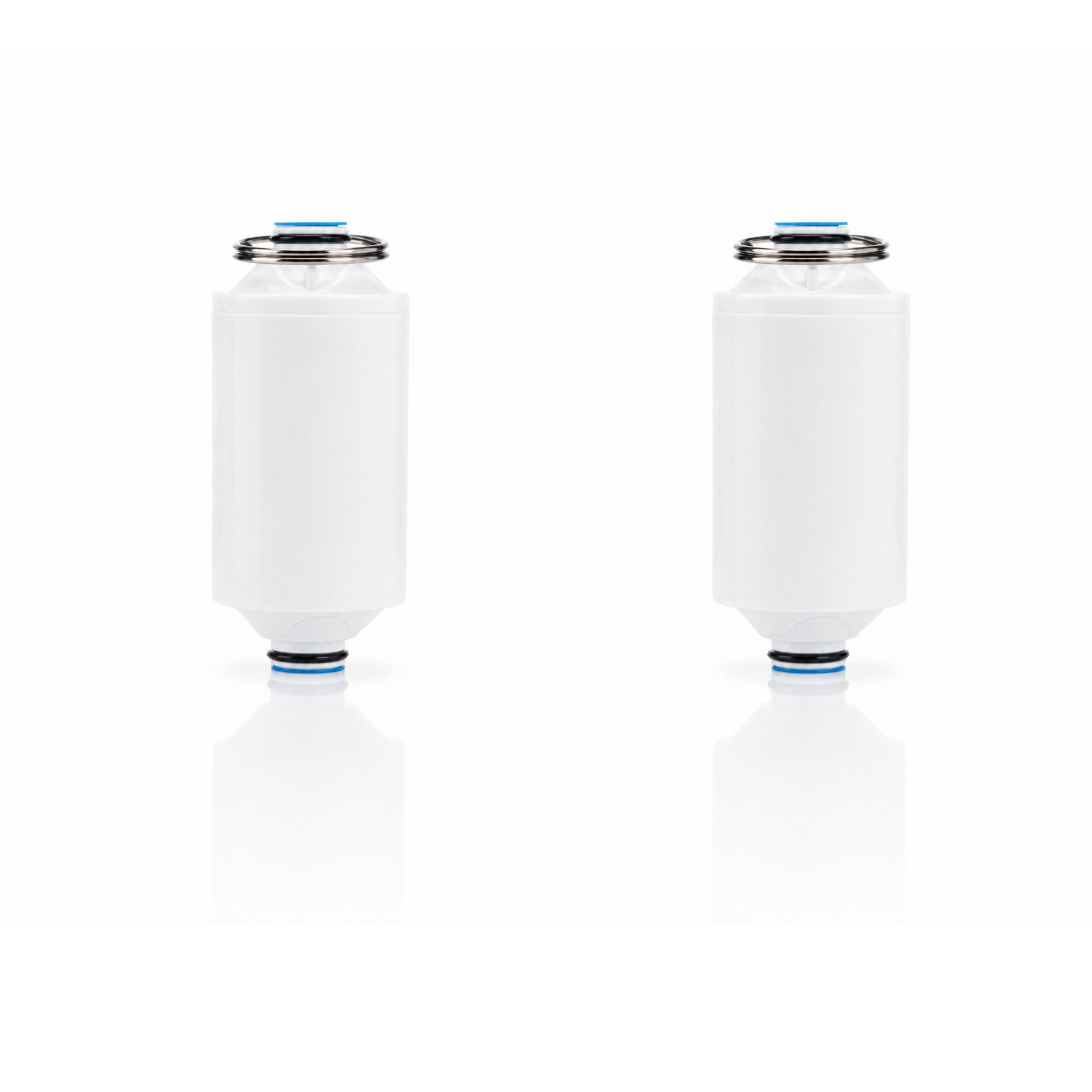
Advanced filtration technologies, including catalytic carbon, are commonly used because they are designed to target chlorine and chloramine reduction.
Heavy Metals and Water Quality
Depending on location and water infrastructure, trace amounts of metals can be present in water supplies.
Examples can include:
- Lead
- Copper
- Iron
- Other dissolved minerals
While regulated drinking water is treated to meet safety standards, many people are becoming more aware of the quality of the water they use on their skin and hair every day.
Certain minerals and metals can affect water quality and contribute to changes in how hair feels after washing.
Creating a Better Shower Environment
A hair transplant is the beginning of your hair restoration journey, not the end.
Long-term hair care involves many factors:
- Following professional medical advice
- Maintaining a healthy lifestyle
- Using suitable hair products
- Being mindful of environmental factors
While shower filtration is not a replacement for medical treatment and cannot guarantee hair growth, reducing unwanted water contaminants can help create a cleaner, more comfortable shower experience.
Protect What You’ve Invested In
At Trichopure, we believe your hair care routine should consider every factor that comes into contact with your scalp.
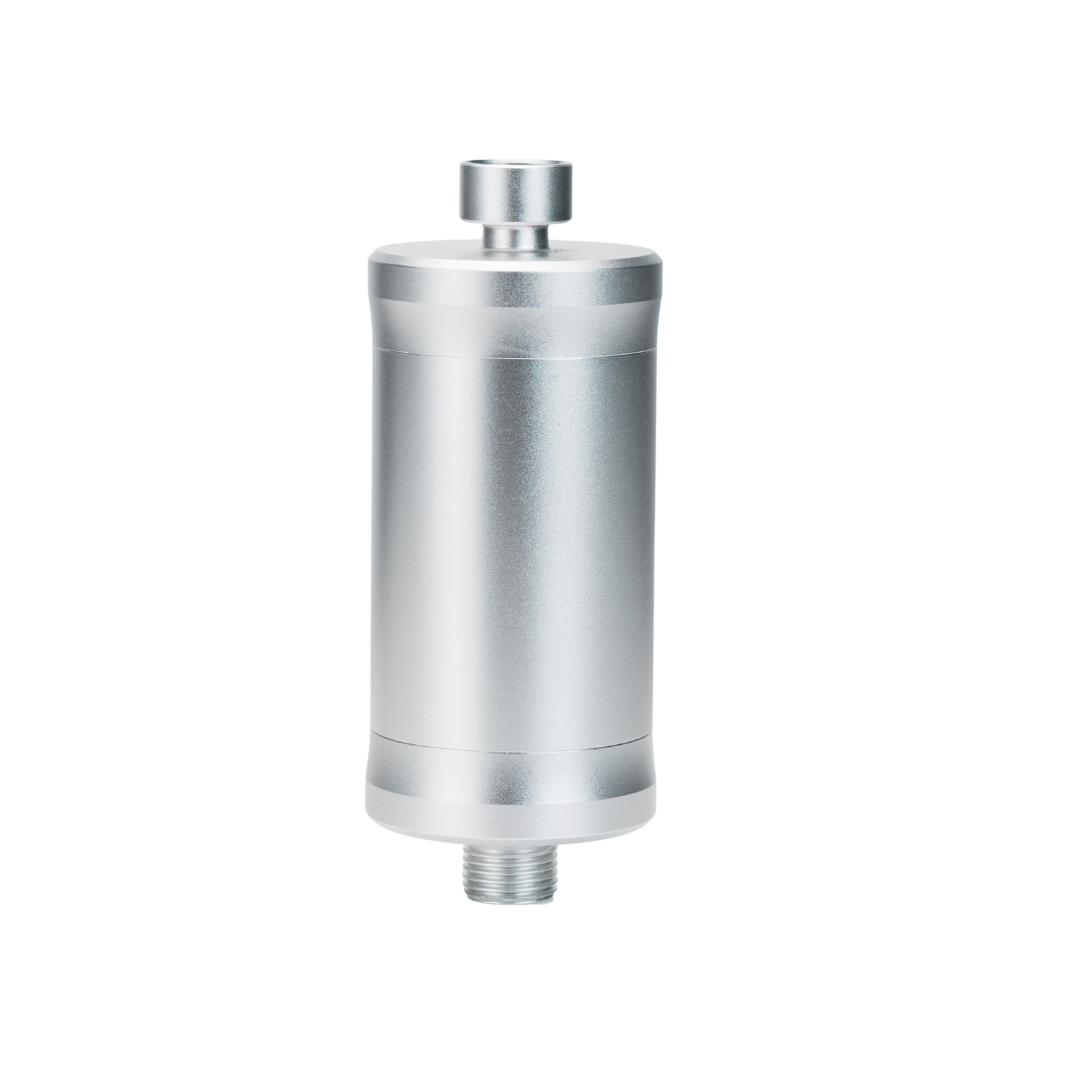
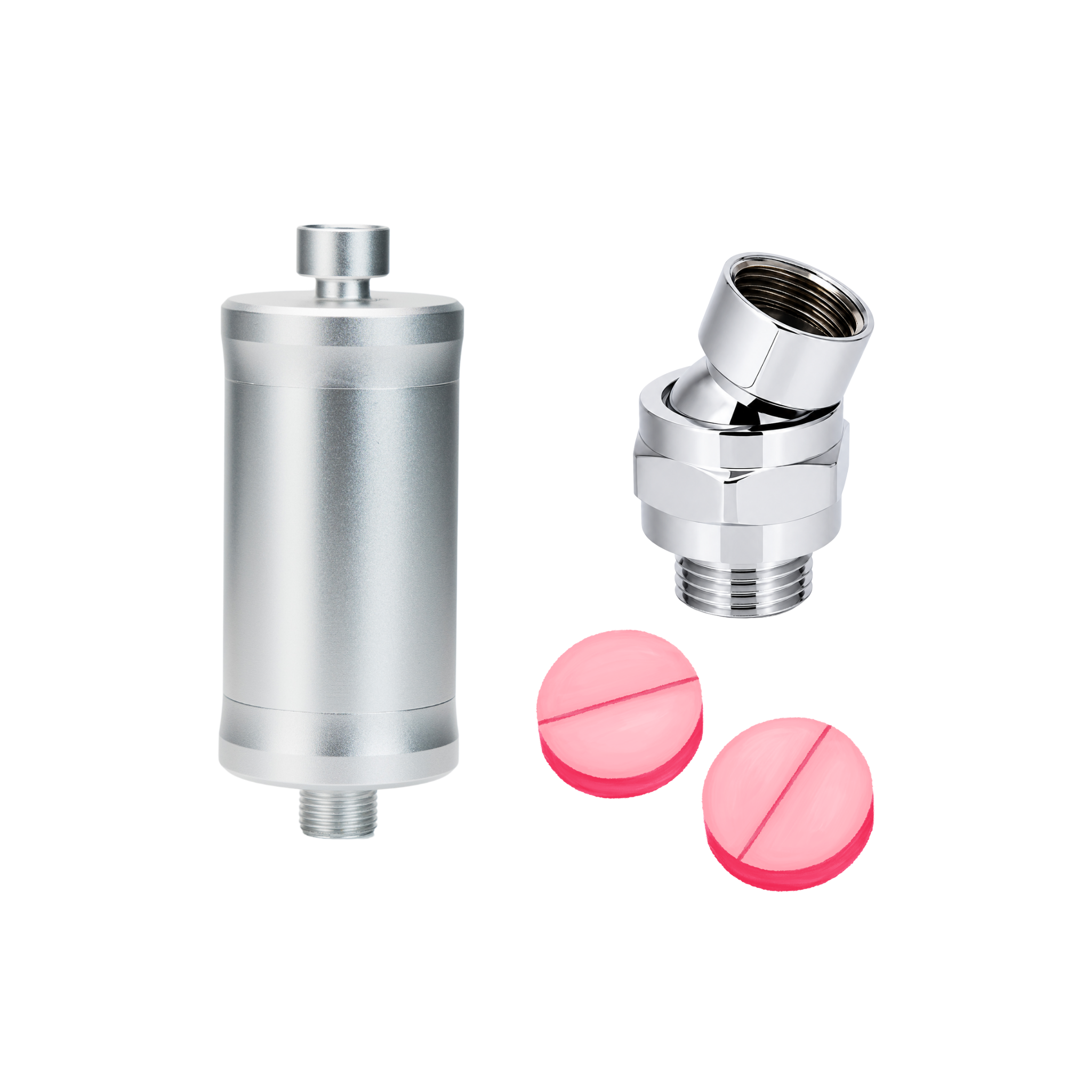
Our shower filtration technology is designed to help reduce chlorine, chloramine and selected heavy metals from shower water — helping you create a better everyday environment for your hair, scalp and skin.